

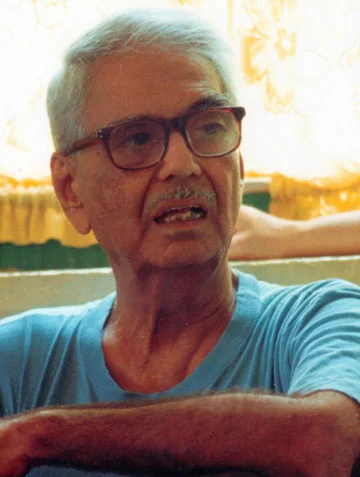
July 25, 1987
by Eruch Jessawala
Mandali Hall, Meherazad
India
TRANSCRIPTION INSTRUCTIONS
A.) Find the BOLDED title below to select and click to open the pdf transcript.
B.) On the right side of this webpage (below for mobile), select and play the talk with the same title.
C.) Read along as you listen to Eruch’s talk.
Note: Only BOLDED titles have transcriptions.
2. Conflict Resolution By Baba
4. Followup Surrender By Accepting
-
Baba’s daily routine at Meherazad during the 1960s was not fixed, as He would often be awake at night, prompting His attendants to stay alert. During the summer months, Baba would spend time at Guruprasad in Pune, meeting with His devotees. Upon returning to Meherazad, Baba would engage in morning walks and inquire about His attendants’ well-being and dreams.
-
Baba allowed the mandali to express their conflicts, listening quietly. He then encouraged them to forgive each other, embrace, and forget the incident, emphasizing the importance of forgiveness for personal and spiritual growth.
-
Baba’s daily routine involved receiving and responding to messages, letters, and reports from various sources, with Eruch, Bhau, Agha Baidul, and Aloba handling replies in different languages. After distributing work, Baba would engage in activities like reading the newspaper, praying, or taking a stroll, with the day’s schedule varying based on his mood and preferences.
-
Eruch advises expressing anger openly and then accepting it, followed by seeking forgiveness from the affected party. He emphasizes the importance of repairing hurt feelings and not internalizing anger. Eruch also shares a story about a retired captain who accidentally bumped into Baba, prompting Eruch to apologize on Baba’s behalf, illustrating the value of humility and forgiveness.
-
Gustadji, an old companion of Meher Baba’s, entertained Baba with fantastic dreams and stories. One story involved a conman who, with his gang, pretended to be spiritual leaders, gaining followers and wealth. Gustadji also shared a personal revelation, comparing himself to an old horse in a stable, bearing the brunt of training younger horses, symbolizing his role in the group.
-
Baba often told His men disciples that if they loved Him like the women loved Him, they wouldn’t suffer. After Baba’s passing, Eruch and others discussed this statement, realizing that Baba would also tell the women that if they loved Him like the men, they wouldn’t suffer. This led to a deeper understanding of Baba’s ways and His unique relationships with men and women.
-
Dhan Umrigar, a Zoroastrian woman from Bombay, visited Meher Baba’s tomb with her son after receiving a message from her deceased son, Karl, through automatic writing. Karl, a jockey who died in a racing accident, repeatedly instructed his mother to visit Meher Baba. Despite Baba’s disapproval of automatic writing, Eruch accepted the situation, recognizing that Baba often brought people to Him through unconventional means.
-
Ted Judson
-
Ted Judson
-
Ted Judson
-
Ted Judson
-
A Hindu family from Delhi, grieving the death of their son Gypsy, who repeatedly called out for “Baba Meher” during his final days. The father, a retired intelligence officer, searches for the meaning of “Baba Meher” and encounters a sadhu selling spiritual books. One book, opened at random, discusses the meaning of life according to Meher Baba. A couple, searching for Meher Baba after hearing about Him from a Rajneesh follower, arrive at Meherabad. The wife spots Gypsy, who had been urging her to find Baba, at the train station. The husband confirms their arrival at the right place when he recognizes the bust of Baba from a dream he had after Gypsy’s death. Eruch states that the pearly gates are neither steel nor silver.
-
Surrender is a natural process that occurs over time and is influenced by one’s environment. It is not about waiting for acceptance from a higher power, but rather about accepting and humbling oneself. The mind, often driven by ego, can be a hindrance to surrender, but with awareness and control, it can be guided towards a deeper connection with the divine.